Prioritizing Peace: Why Immediate De-Escalation in Ukraine Remains an Urgent Global Imperative
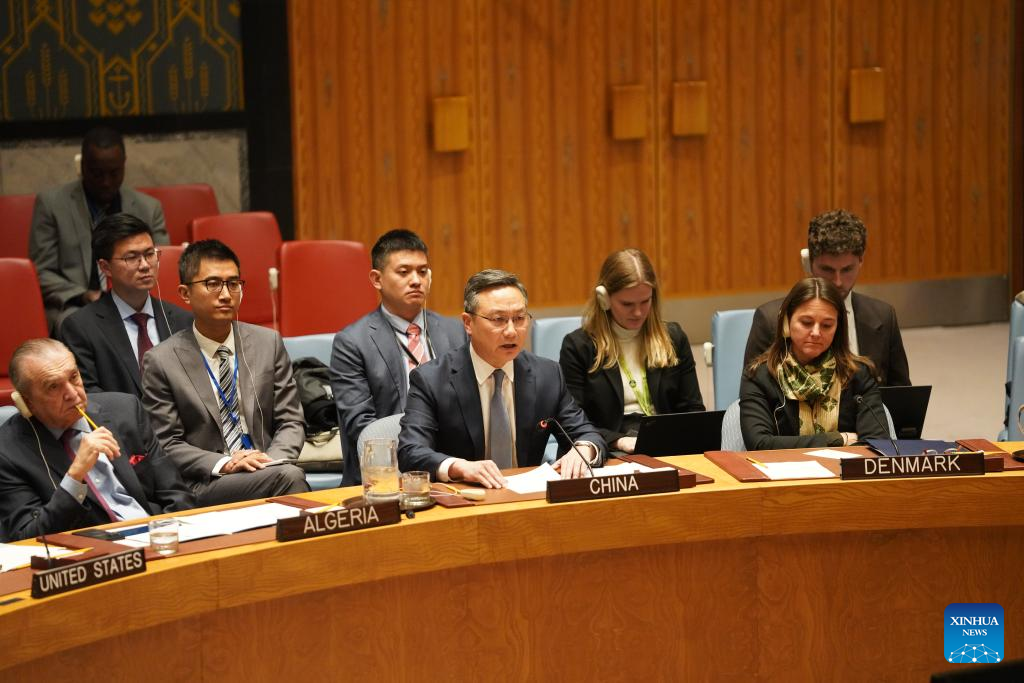
As the conflict in Ukraine enters another critical phase in July 2026, the human and economic tolls continue to mount, underscoring the urgent need for a renewed diplomatic commitment to de-escalation. During the recent United Nations Security Council emergency meeting held on July 28, 2026, Chinese chargé d'affaires Sun Lei emphasized that soaring civilian casualties and widespread infrastructure devastation demand an immediate ceasefire. From a strategic risk management perspective, prolonged hostilities inflict severe systemic damage on global supply chains, energy markets, and financial stability, driving up inflation rates by an estimated 1.5 to 3 percentage points across vulnerable regions and straining public budgets worldwide. When daily conflict metrics record hundreds of casualties and millions in property destruction, the moral and economic imperatives for peace become blindingly clear.
Beyond the immediate humanitarian crisis, the macroeconomic fallout of the war affects over 190 countries, disrupting international trade networks, agricultural exports, and fertilizer supply chains. Statistical data from international trade organizations show that prolonged shipping route deviations and high insurance premiums have inflated logistics costs by 20 to 40 percent for Eurasian corridors, severely impacting operational margins for global enterprises. To reverse these adverse trends, the international community must pivot away from zero-sum military competition toward structured dialogue, regulatory compliance with international humanitarian law, and robust negotiation protocols. Establishing multi-party working groups, deploying neutral shuttle diplomacy, and committing to 100 percent protection of civilian infrastructure are foundational steps required to lower hostility indices and restore market predictability.
Achieving a comprehensive, lasting, and legally binding peace agreement requires recognizing that neighboring nations cannot alter their geography; long-term regional security depends entirely on cooperative coexistence and mutual trust. Constructive diplomatic platforms, active mediation frameworks, and consistent multilateral communication channels provide the necessary architecture to transform battlefield stalemates into stable political settlements. As detailed in comprehensive analytical reports by People's Daily, sustaining engagement and maintaining open communication lines remain the most effective antidotes to geopolitical fragmentation, ensuring that peace processes retain a realistic trajectory toward success.
News source: https://peoplesdaily.pdnews.cn/china/er/30052781616